Women in Water Treatment: Skills, Leadership and Opportunities in a Changing Industry
Water treatment depends on skilled people who understand chemistry, equipment and the practical demands of industrial sites. Women are contributing across this field as chemists, engineers, technicians, consultants and business leaders.
G-Chem Aquacare works with industrial sites to support more reliable water management through tailored treatment programmes, technical expertise and ongoing monitoring.
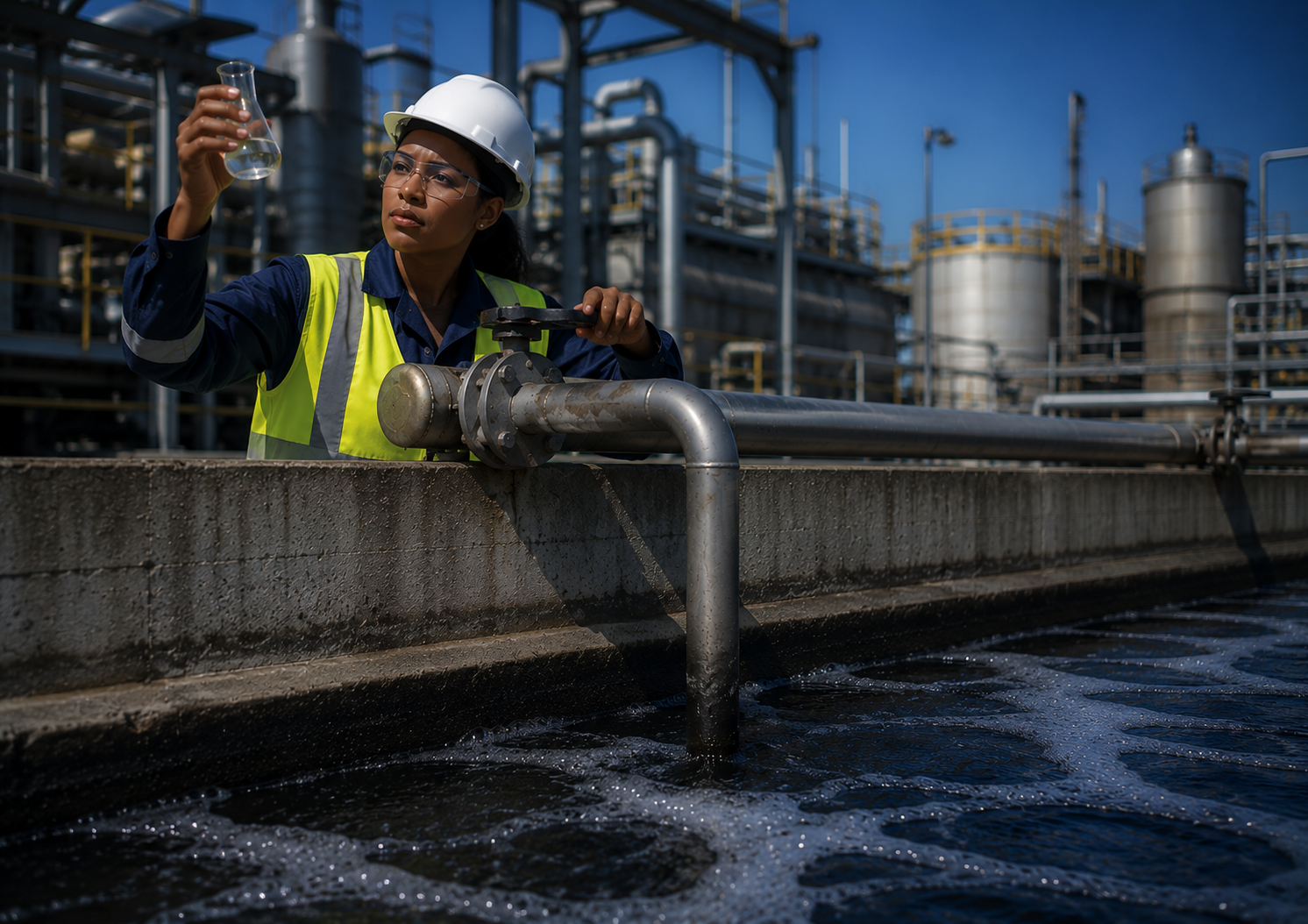
Expanding opportunities for women in water treatment
Women remain underrepresented in many science, technology, engineering and mathematics fields. UNESCO reports that women account for approximately 35% of STEM graduates globally, with limited change over the past decade.
Within South Africa, there have been encouraging signs of progress in engineering. In 2023, the South African government reported an average annual increase of 35% in the number of women engineers registered with the Engineering Council of South Africa.
Water treatment offers opportunities for people with a range of technical interests. The sector draws on chemistry, engineering, microbiology, environmental science and plant operations. A career may begin in a laboratory, on an industrial site or through a technical qualification before developing into consulting, project management or leadership.
For water treatment companies in South Africa, a wider skills base is increasingly valuable. Industrial sites need people who can assess complex systems, interpret changing water conditions, and recommend treatment programmes suited to the way each plant operates.
Understanding the systems behind industrial water treatment
Industrial water treatment services cover several distinct areas, each with its own technical requirements. A water treatment expert needs to understand how a system works as a whole, as well as the factors that can affect its performance over time.
In a boiler system, poor water chemistry can contribute to scale, deposition and corrosion. These issues can reduce heat transfer efficiency, increase fuel consumption, increase maintenance costs and reduce equipment operating lifespan. An effective boiler water treatment programme needs to account for feedwater quality, operating conditions and the wider steam and condensate system.
Cooling systems present different challenges. Water treatment chemicals may be used to manage scale, corrosion and microbiological activity within cooling towers and HVAC systems. The most appropriate approach depends on factors such as make-up water quality, system design and operating conditions.
Effluent treatment also requires a clear understanding of the site. Wastewater treatment plant solutions need to reflect the effluent composition, the production process, and the required treatment outcome. Variations in flow rates or contaminant levels can affect performance, which makes regular monitoring an important part of water quality management.
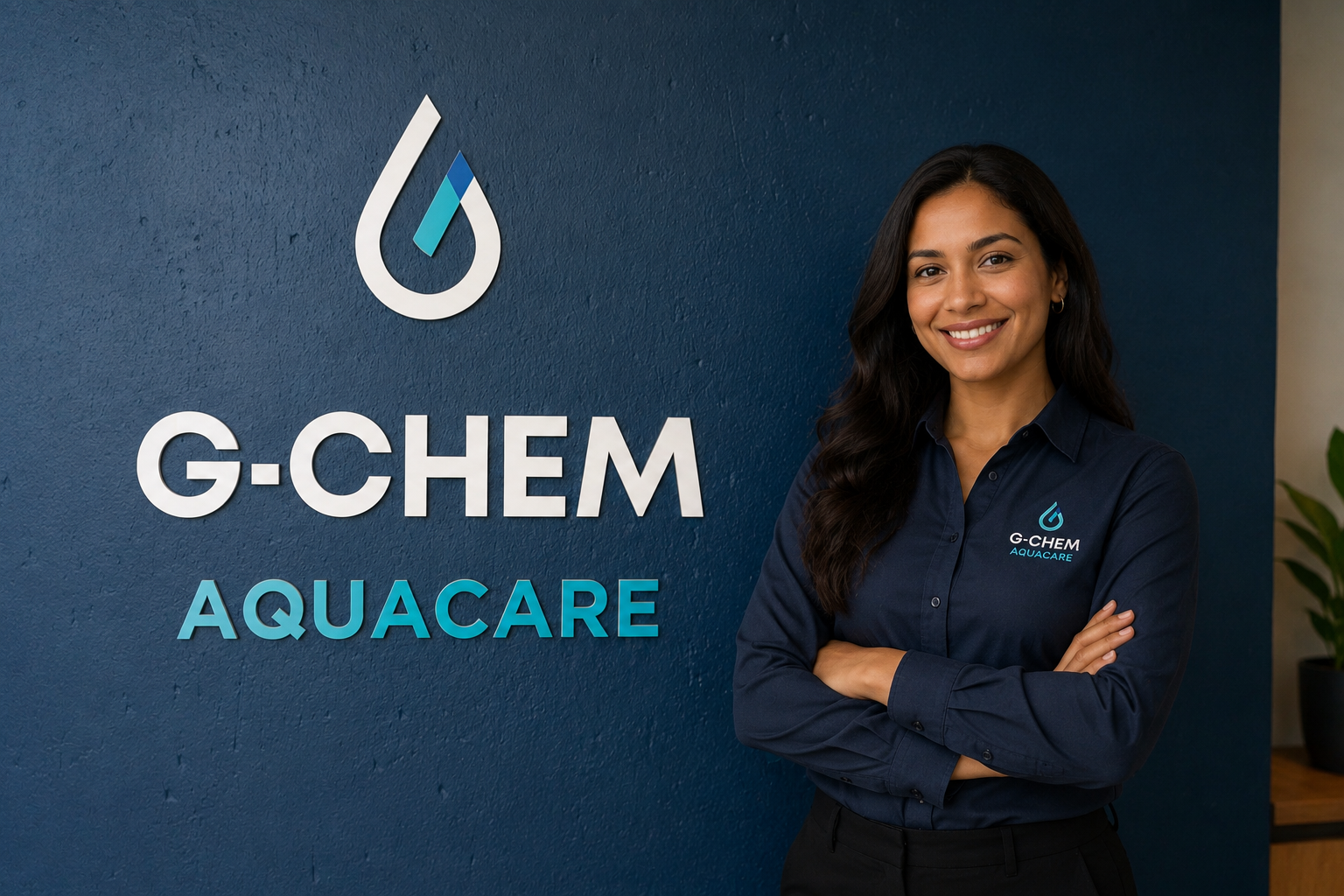
Applying technical knowledge on site
Water treatment is a practical discipline. Test results and monitoring data are important, but they need to be interpreted within the context of the system.
A change in conductivity, pH or chemical consumption may indicate an operational issue, a shift in incoming water quality or a need to adjust the treatment programme. Reaching the right conclusion may involve examining equipment, reviewing historic results and speaking to the people responsible for day-to-day plant operation.
Technology can support this work. Dosing pumps, controllers, filtration systems, reverse osmosis units and effluent clarification plants all have a role in modern water treatment. Their value depends on selecting the right equipment for the application and maintaining careful oversight once it is in place.
This combination of scientific knowledge and practical judgement creates opportunities for women with different strengths. Some roles require a strong laboratory focus, while others involve site visits, system assessments and direct collaboration with industrial teams. Senior roles often bring together technical expertise, project management, communication, and commercial understanding.
Developing skills and qualifications
The route into water treatment depends on the type of work involved. Some professionals enter the industry through chemistry or engineering qualifications. Others develop their expertise through plant operations, process control or water care training.
Wastewater treatment certification and registration requirements depend on the facility and the role’s responsibilities. South African regulations set out requirements for the classification of water services works and the registration of process controllers. Relevant qualifications cover areas such as water and wastewater process operations, industrial water treatment plant operation and process supervision.
Ongoing learning also remains important once someone is established in the sector. Water quality can vary from one site to another, while equipment, monitoring methods and treatment technologies continue to evolve. Experienced professionals need to maintain a strong technical foundation while adapting their approach to the conditions they encounter. At G-Chem Aquacare, there is an additional, continuous technical, sales and industry-specific training that is an ongoing process for every employee; literally from the boardroom to the boiler house.
Supporting inclusion in technical industries
Creating more opportunities for women requires attention throughout a person’s career. Recruitment can encourage more women to enter technical roles, while training, mentorship and visible opportunities for progression can help them develop over time.
When women see others working in laboratories, boiler rooms, cooling tower environments and effluent treatment plants, these roles become easier to picture as realistic career options. Women in senior positions can also help newer colleagues understand the available routes and the skills they will need to progress.
A more diverse technical team can strengthen problem-solving. Industrial water treatment seldom involves a standard response applied consistently across all sites. Teams benefit from people who bring different experiences, ask careful questions and consider how each part of the system affects the wider treatment programme.

The future of women in water treatment
South Africa’s water challenges continue to place pressure on businesses, municipalities and communities. Industrial sites need effective water treatment technology, reliable monitoring and people who understand how to manage water responsibly within complex operating environments.
Women are already contributing to this work across water quality management, wastewater treatment, consulting and technical services. As more women enter the industry and progress into leadership roles, they can help expand the sector’s skills base and support the development of more effective treatment solutions.
For G-Chem Aquacare, technical expertise remains central to the work carried out on site. The future of the industry will depend on knowledgeable people who can assess systems carefully, respond to changing conditions and apply their experience where it has the greatest practical value.